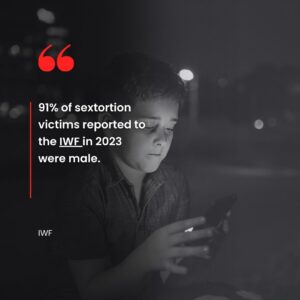
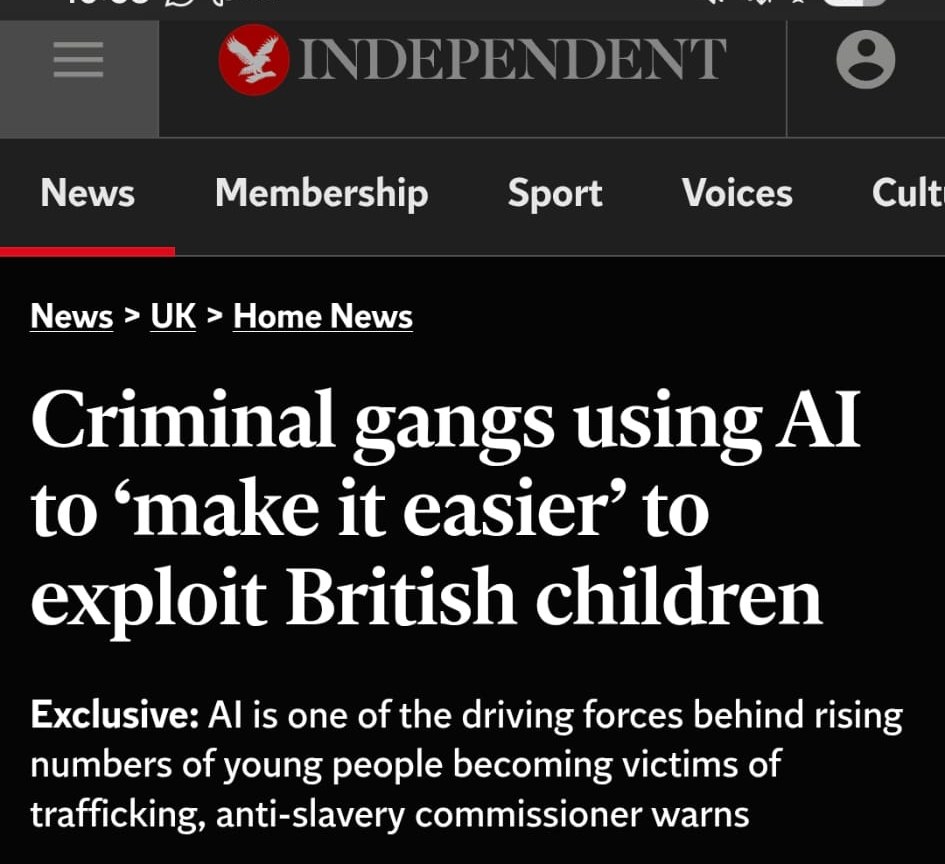
AI fake profiles that imitate children are being used by criminal gangs to groom and recruit British kids, the UK’s anti-slavery commissioner has warned. Parents and teachers have spent years teaching children to watch out for fake profiles. That rule now needs an urgent update, because AI builds fakes so convincing that even experts struggle to tell them apart from real children.
Eleanor Lyons, the independent anti-slavery commissioner, told The Independent this week that criminal gangs are using AI-generated profiles imitating youngsters to groom and recruit British children into carrying drugs or money. She said AI is “making it far more hard for us to understand actually what’s a real profile and what’s not”.
What the commissioner actually said
Speaking to The Independent, Ms Lyons explained that “much like people in their day-to-day lives, criminals are using AI to make their jobs easier”. That means reaching more children, at greater speed, across a broader group.
For children, it means fake profiles online, managed to chat across multiple accounts, building trust and relationships that are entirely manufactured.
A few important details from her warning:
- The first asks look innocent. A child might be asked to receive a small amount of money into their bank account and withdraw it the next day. The amounts grow, and the child is quietly being used for money laundering.
- The victims are changing. Children being targeted are increasingly unknown to social services: bright, engaged kids from stable, loving families and good schools. Online targeting means criminals can reach children “beyond the reach of where local authorities or law enforcement would think to look”.
In case you haven’t watched it: the latest Digital Parenting Rundown
Watch: Digital Parenting Rundown (October 2026)
The numbers in one chart
Referrals of children as potential victims of trafficking and modern slavery are rising year on year. This is what the latest figures look like.
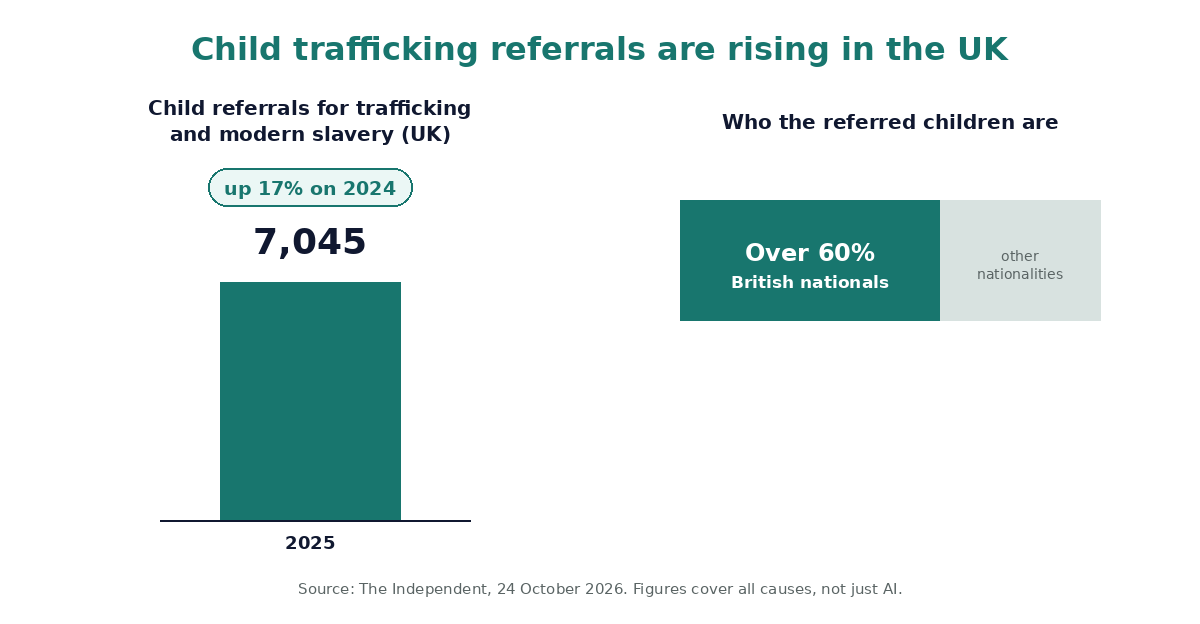
To be clear, this is the commissioner’s warning about a tactic she says gangs are adopting. The article does not set out a single documented case of it. But it lands on top of trends we already know are real, including soaring sextortion reports among under-18s (Internet Watch Foundation) and US officials reporting children being given AI-generated scripts to manipulate them.
Why spotting AI fake profiles is no longer enough
The old checklist was teachable. Stolen or too-perfect photos, a recently created account, very few friends, no mutual connections, avoiding video calls. Children could learn it, and many did.
AI weakens every line on that list. It can generate original photos that reverse image search won’t find, write fluent and friendly messages in any tone, and keep several believable profiles chatting at once. A fake account can now look and behave like a real child.
That doesn’t mean we stop teaching the checklist. It means it can no longer be the main defence.
The one rule that still holds: don’t chat to strangers online
When a profile can no longer prove a person is real, the safest rule is also the simplest: if your child has never met someone in real life, that person is a stranger. It does not matter what their profile says, how long they have been talking, or how kind they seem.
This is becoming harder for children to accept precisely because the fakes are getting better. So the rule needs to come from home, be repeated often, and be backed up with an agreed plan rather than relying on a child’s judgement in the moment.
How to talk about it at any age
Ages 6 to 9: Keep it simple and calm. “Only talk to people we know in real life.” If someone new messages them in a game or app, they come straight to you, and that’s a win, not a telling-off.
Ages 10 to 13: Introduce the idea that profiles can be manufactured. Show them this news story and ask what they think. Agree together: no chatting with people they don’t know in person, and a real friend will never mind proving who they are.
Ages 14 plus: Talk to them like near-adults. Explain the criminal angle, gangs laundering money through teens’ bank accounts, and that “easy money” offers online are a classic grooming hook. Make sure they know you are a safe person to tell, with no blame, even if they have already replied or shared something.
Whatever the age: little and often beats one big talk, and genuine curiosity (“who are you chatting to these days?”) beats interrogation.
Practical steps at home
- Set accounts to private and limit who can message your child. Review follower and friend lists together, not as a raid.
- Turn off location sharing on social and gaming apps.
- Check game chats and DMs. First contact often happens in games, then moves to private apps where messages disappear.
- Agree that money, gift cards, photos and favours are never sent or received for online-only contacts, and what to do if someone asks: screenshot, block, tell you.
- Keep devices out of bedrooms overnight where you can. Late-night chat is when secrecy grows.
For teachers
This story is a ready-made classroom discussion. Ask pupils what makes a profile trustworthy, then walk through how AI breaks each of those signals.
Reinforce the reporting routes below, and watch for the warning signs: a student with unexplained money or gifts, sudden secrecy about their phone, or fear of losing access to it.
Warning signs a child may be groomed or exploited
- New “friends” they refuse to talk about, or secrecy around their phone
- Unexplained money, gifts, trainers or a second phone
- Being asked to receive, hold or move money or parcels for someone
- Anxiety when separated from their device, or late-night messaging
- Sudden changes in mood, friendships or attendance
If you’re worried: what to do
- Stay calm and listen. A child who expects anger stops talking. Thank them for telling you.
- Keep the evidence. Don’t delete accounts or messages. Screenshot and save them.
- Report it. Concerns about online grooming go to CEOP. If a child may be criminally exploited, call the police on 101 (999 in an emergency).
- Get support. Children can contact Childline free on 0800 1111. Adults can call the NSPCC helpline on 0808 800 5000.
The bottom line
AI has made fake profiles harder to spot, so our children can’t rely on spotting them, and neither can we. The advice that protects them is the oldest we have: don’t chat to strangers online. Say it early, say it often, and make sure your child knows that telling you will always be met with help, not blame.
For employers: how to support working parents with digital parenting
Most parents are managing their child’s online life around the working day. Employers are well placed to make that easier, and small steps go a long way.
- Share stories like this one. A short item in an internal newsletter, parent network or intranet helps working parents stay on top of risks they have little time to research.
- Make expert guidance easy to find. Signpost trusted resources such as CEOP, Childline and the NSPCC so worried parents know where to turn before a problem grows.
- Consider a lunch-and-learn. A short session on digital parenting, run with an online-safety expert, gives staff practical steps they can use the same evening.
- Be flexible when it matters. If a child has an online-safety incident, a parent may need time for school calls, police reports or support appointments. Understanding managers make those conversations easier to have.
- Set family-friendly expectations. Clear boundaries on out-of-hours messaging help parents be present for the everyday check-ins that keep children safe.
Working parents carry much of the digital parenting load. When employers make space for it, children benefit.
Watch next: What is online grooming? How predators target children online
Watch: What is online grooming? How predators target children online
Read next: Online Grooming on TikTok and Snapchat: What Parents Need to Know
Source: The Independent: Criminal gangs using AI to ‘make it easier’ to exploit British children
Was this helpful?
Good job! Please give your positive feedback
How could we improve this post? Please Help us.